

Why 3D Printing Is Redefining Speed and Precision in Manufacturing
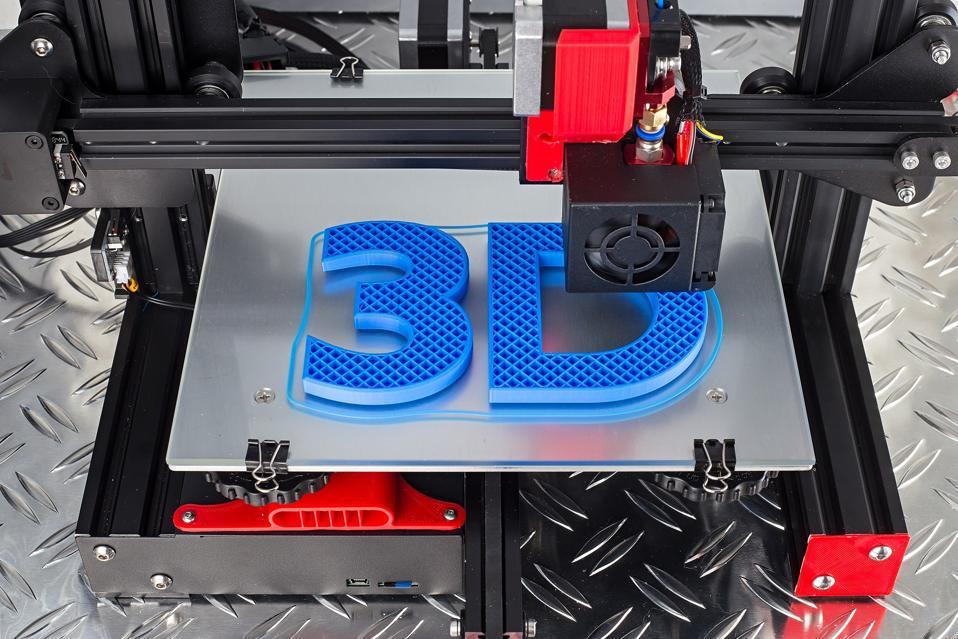
The Evolving Landscape of 3D Printing in a Digital Manufacturing Era
3D printing has rapidly transitioned from a niche prototyping method into a core pillar of modern manufacturing. As industries pursue faster production cycles, mass customization, and supply chain resilience, additive manufacturing is gaining strategic importance across sectors. Today’s 3d printing technology is no longer limited to simple plastic models; it now enables the creation of complex metal parts, biomedical devices, and end-use components with exceptional precision. This evolution reflects a broader shift toward digital manufacturing, where design flexibility and speed are valued as highly as scale.
Advances in Materials and Industrial-Grade 3D Printing Technology
One of the most significant trends shaping the future of 3d printing is the expansion of printable materials. Modern 3d printer systems can work with advanced polymers, composites, ceramics, and high-performance metals such as titanium and aluminum alloys. These material innovations allow manufacturers to produce lightweight yet durable components that meet strict industry standards.
In parallel, improvements in 3d printing technology—such as faster print speeds, higher resolution, and improved thermal control—are making additive manufacturing suitable for high-volume production. Industries including aerospace, automotive, and electronics are increasingly using industrial 3d printer platforms to manufacture tooling, functional parts, and even structural components. As reliability improves, additive manufacturing is shifting from a supporting role to a primary production method.
Growing Role of 3D Printing Services Across Industries
While in-house printing capabilities are expanding, demand for professional 3d printing service providers is also rising. Many businesses prefer outsourcing to access specialized equipment, certified materials, and expert design support without the upfront capital investment. A reliable 3d printing service can support rapid prototyping, bridge manufacturing, and low-volume production, especially for startups and small manufacturers.
Healthcare is a notable example of this trend. Customized implants, dental aligners, and surgical guides are increasingly produced through specialized service providers that combine medical expertise with advanced 3d printing technology. Similarly, consumer goods brands are leveraging external services to test product designs quickly and respond faster to changing market demands.
As adoption increases, the economic outlook for additive manufacturing remains strong. According to Grand View Research. The global 3D printing market size is projected to reach USD 168.93 billion by 2033, growing at a CAGR of 23.9% from 2026 to 2033. This growth is driven by rapid technological advancements, expanding industrial use cases, and the rising need for flexible, on-demand production models across global markets.
Automation, Software Integration, and the Future of 3D Printing
Another key trend redefining 3d printing is the integration of automation and intelligent software. Advanced design tools, simulation platforms, and AI-driven optimization are enabling manufacturers to create parts specifically engineered for additive processes. These tools reduce material waste, improve structural performance, and shorten development timelines.
Automation is also transforming post-processing, traditionally one of the most labor-intensive stages of additive manufacturing. Automated finishing, inspection, and quality control systems are improving consistency and making large-scale deployment of 3d printing more viable. When combined with smart factories and digital supply chains, additive manufacturing supports localized production and reduces dependence on complex logistics networks.
Looking ahead, the convergence of automation, advanced materials, and cloud-connected 3d printer systems will continue to reshape how products are designed and manufactured. As organizations increasingly adopt hybrid production models, 3d printing technology will play a central role in enabling innovation, sustainability, and operational agility.
In this evolving landscape, 3D printing is no longer just a tool for experimentation—it is becoming a foundational manufacturing strategy for the next generation of industrial growth.


 English
 Arabic
 French
 Spanish
 Portuguese
 Deutsch
 Turkish
 Dutch
Dutch
 Italiano
 Romaian
 Portuguese (Brazil)
 Greek
Greek